A weekend routine

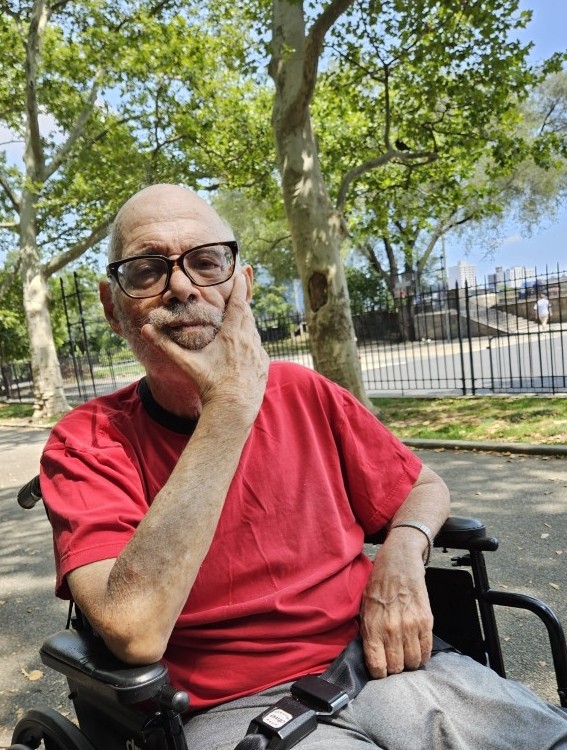
We were going out on Saturdays and Sundays.

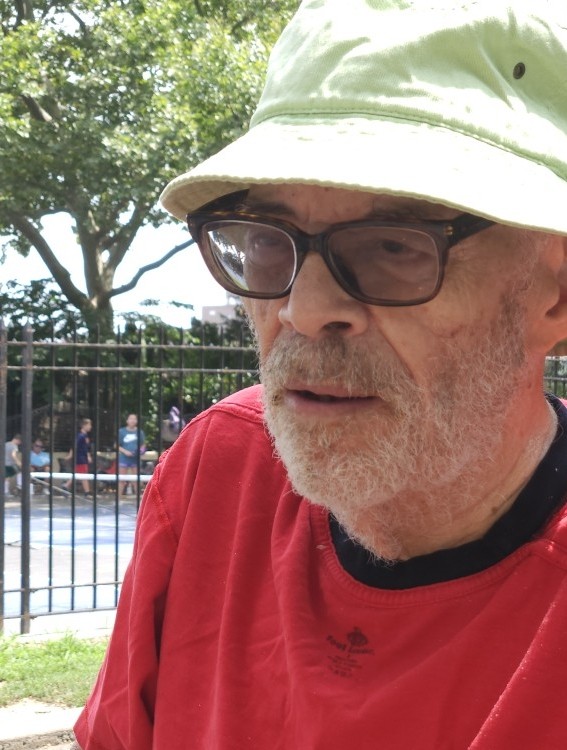
We went to Karl Schurz Park or to watch the waters along the East River Esplanade.  

We stopped at an ice cream parlor on our route to or from. When the park outings proved too much, we still went out for an ice cream.

We went out. And then we didn’t.

Burt seems afraid to stand up. It’s a job getting him up so we can change him and the bed.

My new routine is feeding him, then going to a cafe for a drink or a bakery snack. I try to catch up with a friend on this coffee break.

It’s the reality since his recent decline.

We went out, and then we didn’t.

As I told my friend A, I aim for a level of acceptance so that every sad thing isn’t such a shock.

Tomorrow, I’ll bring home some of his favorite ice cream. I think he still appreciates when I’m thinking of him.

It’s a chore. It’s a delight.

The sound of the glug glug as the bottle empties makes me smile.

Feeding Burt is a task. My wait time patience between spoonfuls is limited. I have to resort to a slow, silent count and to posture breaks.

Feeding Burt is also the one remaining intimacy we share. That and giving him to drink both foster a closeness. They are my service to him, and I am pleased to serve.

I still question my effectiveness. Is he getting enough?

Am I  assuring that he eats a diversified diet?

Should I wake him to feed him?

Here’s where the focus shifts

Burt is having more interactions with hallucinatory visitors these days. He experiences delusions and a good deal of confusion.

This lessens his involvement and connection with those of us with him; the ones actually in the room.

For instance, when I told him I was his wife and I was home with him, he said, “Get her for me.” He meant on the phone, I believe.

He will call for his aide to help him when I am there, and for me, all the time I am out.

His conversation occurs in his sleep, and when he’s awake with equal intensity. It can be very elaborate.

Much of it is forcefully expressed but unintelligible.

I am writing my grief. I keep my sense of humor and a clear eye on reality as I do so. There is a part of me that expects Burt to snap out of it.

Aside: don’t picture Cher slapping Nicolas Cage.  Although, as soon as that phrase came to me, I saw  that scene in Moonstruck.

Burt is still in his decline. He’s not at the twist or turn when he was so unresponsive that he scared his aide.

He seems to want to stay in bed. He is fearful when we get him up; afraid of falling, a bit unsteady, unwilling to straighten his knees to stand.

Feeding him as I do now spoonful by spoonful feels like a tender act.  I am physically present.

It’s my connection with him. It’s our interaction.

Aides in short supply

I had considered that any crackdown on immigrants would affect the food supply – from farm workers to deliverymen – but was surprised by this:

Some of the earliest and lasting effects from President-elect Trump’s promised immigration crackdowns would be in home health and long-term care, both of which rely on a substantial number of foreign-born and undocumented workers.

Axios Vitals December 4

Paid caregivers often come from the immigrant population. Labor in the health care industry is already in short supply and stretched thin.

What they’re saying: “Immigration policy is long-term care policy,” said David Grabowski, a Harvard Medical School professor who’s chronicled how foreign-born workers filled key nursing home roles early in the pandemic.

Axios Vitals December 4

In New York and California, the estimate is that 40% of health care workers are foreign born; only about 6٪ are undocumented, but let’s face it, there’s a shortage of this kind of help.

His decline. My denial

Oh, that famous river is always right over my shoulder.

Is it my heart that keeps me from accepting the inevitability of this disease?

Burt has been declining, as in sooo much more confused, delusions and hallucinating to beat_the_band.

He also is often sleeping more, although the fact that he’s up half the night contributes. He is also much weaker.

Are these phases or a downturn that won’t go back up? Who knows?

I know what I am wishing for.

The goal is to find acceptance. From the perspective of denial, I am working on it.

We are 4 years (±¼) past dx, but Burt just seemed to dive right into the hard stuff right off. A little Capgras with a dose of little people, etc, at the start. Drugs helped for about the next 3 years, but now he’s just not making any sense.

And now he’s sleeping more and weak, so half the time he doesn’t get off the bed. One day, he was up for the bathroom but returned to lie down. He ate well (we have to feed him to assure he eats) and fell asleep right after. 

Over this past weekend, he slept much of Saturday but was up most of the night and still awoke at 7am. The carer got him to standing just long enough to change him and fix the bed on Sunday.

Despite the fact that he’s eating, he seems to be malnourished. When he sleeps through like he did today, he doesn’t get enough food. Obviously.

All this leads me back to that list of feelings. Sad Sorrow Teary.

Will this be useful?

My therapist gave me a list of feelings to try to refine my self-assessment.

I should look at & consult. What can sadness and sorrow mean or incorporate? 

I feel bored, too, and guilty for that and other lapses in my care.
Worried falls under Fear for example. Guilt includes Regret Sorry Remorseful none of which feel like guilt aka this is my fault or I am at fault. Alphabetically guilt is followed by Hopeful.

Powerless lists Impotent Incapable Resigned Trapped Victim while Stressed / Tense leads to Anxious Burnedout Cranky Depleted Edgy Exhausted Frazzled Overwhelm Rattled Rejecting Restless Shaken Tight Weary & Worn out. Unsettled / Doubt doubles back to include Apprehensive again, as well as Concerned  Dissatisfied Disturbed Grouchy [I pickup on grouchy] Hesitant Inhibited Perplexed ot Questioning & Rejecting.

Apprehensive and Hesitant can also track as Fear as does Frightened and Anxious.

This is the BIG THING from which I started my research: Despair / Sad Anguish Depressed Despondent (that’s too full a word, I think) Disappointed Discouraged Forlorn Gloomy Grief (stricken, I say) and of course Heartbroken Hopeless (and we are all familiar with how) Lonely (this journey is.) Longing Melancholy Sorrow [oh, yes] Teary Unhappy Upset Weary Yearning.

Bored, an old bug-a-boo of mine falls under the oddly titled Disconnected / Numb, along with Aloof  Confused Distant Empty & (lord knows I am not) Indifferent (but yes to)
Isolated. You are free to explore if Lethargic Listless or Removed fits  and, likewise Resistant Shut Down Uneasy Withdrawn.

Fear (let’s list and analyze all of it) Afraid & Anxious (kind of or some of the time) Apprehensive Frightened Hesitant Nervous Panic(ky, I tend to get that way) but not Paralyzed Scared or Terrified, (and then again a big yes to) Worried.

Panicky connects to Rattled, which is under Stressed / Tense.

Feelings are listed on this chart in the context of  a logo that says “hoffman,” when you’re serious about change.”

It’s clear from any perspective how very complicated all this is. I mean, feelings, emotions, change. I mean grief, sadness, sorrow.

【It’s 6:30am so I allow myself to get up.】
Love, loss

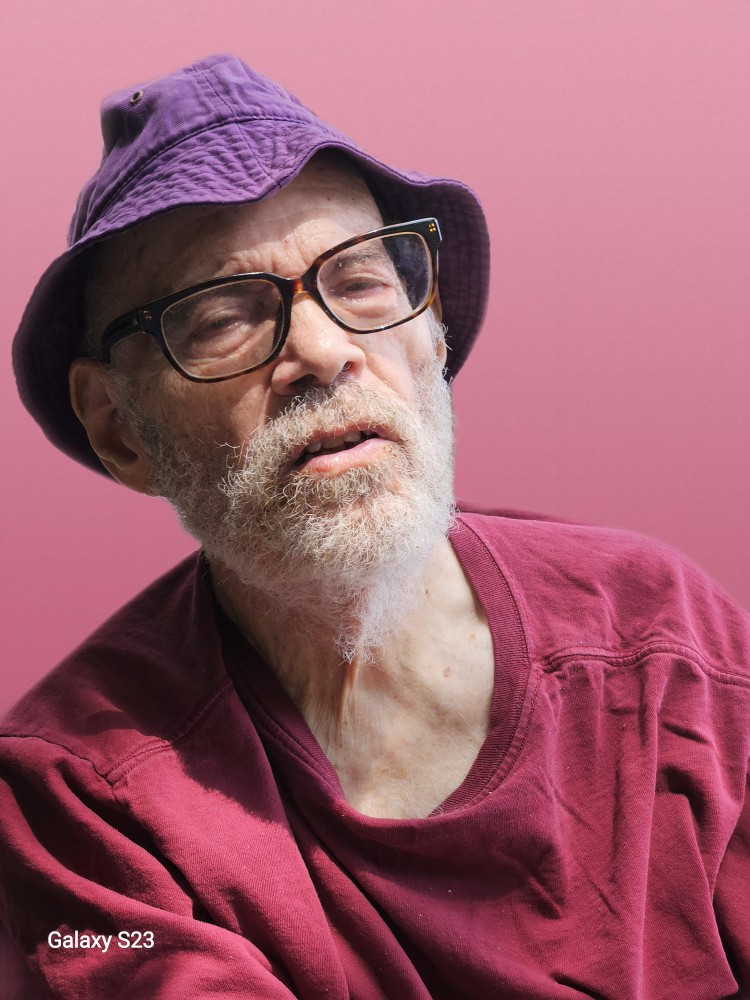
Last night, Burt was very vocal. I believe he was mostly speaking in his sleep.

Much of this conversation last night addressed complaints. He called out my name a few times. In this chatter, he fluctuated between an unfavorable and a positive view of me. It was clear that he knew who I was.

This pleased me even though he asked «who’s this« and asked for confirmation of “which one” when I returned to the room. I knew he was speaking to me. He knew me. I hadn’t lost him. At least not for that night when he still recognized I was there with him.

Grateful, appreciative, and thankful

It’s Thanksgiving.

Talk of gratitude is as prevalent as the turkey on our plates. We are parsing what is worthy of our appreciation as we sit down for today’s feast.

The original idea of this holiday was to show thanks to God for the bounty in our lives. Gratitude practice is at the least a spiritual one.

It’s hard to be thankful if we don’t see a benevolent universe. 

Sometimes, it’s hard to say thanks even when we see good around us.

We are often put into a grateful mode after a life‐threatening event. We look back, and we are thankful to be alive.

Gratitude comes to us after our lives are changed by other difficulties.

Burt’s diagnosis, and his ongoing illness, have given me the pause that sparks gratitude.

My gratitude at still having him here with me is tinged with sadness but also with memories of the happy life we shared.

I am grateful for the memories and for the good times we had.

Burt has often shown his deep  appreciation over the course of his disease.

At times, he gives us grief and resistance before thanking us for something we did.

He can take pleasure at many little things and is quick to give a thanks for them.

His pleasure gives me joy. I am grateful for that.

Mayhem

Burt asked me if I knew that guy. I listened  a little harder, had he said Maynard?

The guy, he repeated, «Mayhem«. His question gave me chills. I thought of the character Dean Winters plays in a TV ad, but I also thought of the mayhem LBD causes, the disruption in our lives  and in his brain.

This day had been one on which he was particularly confused. Did Burt ever use that word before, I mean ever?

Create your own website, free on WordPress.com.Create your own website.
Start free